

House fires happen every day. The biggest tragedy is that most house fires are preventable.
Who's most at risk of dying in a house fire?
National research into residential fire deaths [1] reveals that certain groups face a significantly higher risk - particularly young children, older Australians, people living alone, and those in households without working smoke alarms. Most fatal fires occur during sleeping hours in the cooler winter months, often starting from everyday items like heaters, cooking, or smoking materials.
Knowing who is most vulnerable helps us protect the people we care about. Review the safety measures below to ensure your home is prepared.
Most preventable fire fatalities occurred in owner-occupied houses
These fires were mainly caused by:
- smoking materials
- heaters
- electrical faults
- cooking
- candles.
Smoke alarms were not fitted in most of the homes where deaths occurred. In those that did have them, 31% of them were not working. The absence of working smoke alarms can increase the possibility of a fatal fire by 60%.
If you have people in your care in these vulnerable groups we recommend you read the following information and put measures in place to ensure the risk to these people is minimised. If you can't find the answer to your questions within these pages please contact us for assistance.
[1] Australasian Fire and Emergency Services Authorities Council - Preventable residential fire fatalities in Australia July 2003 to June 2017
Smoke alarms
Smoke obscures vision and causes intense irritation to the eyes. This, combined with the effects of the poisons in the smoke, can cause disorientation, impaired judgement and panic, reducing the victim’s ability to find an exit.
Most fire-related deaths result from the inhalation of toxic fire gases rather than from direct contact with flame or exposure to heat. Correctly located smoke alarms in your home give early warning of fire, providing you with the precious time which may be vital to your survival.
In South Australia, it is the property owner’s responsibility to have the appropriate number of working smoke alarms installed. For extra protection, install more than just the minimum number of smoke alarms in your home and that interconnected 240V photoelectric smoke alarms are installed to provide the best protection across a range of fires.
Home fire escape plan
The installation of smoke alarms forms one part of a Home Fire Escape Plan. It is vitally important that every family has a complete Home Fire Escape Plan which all occupants of your household practise and understand.
We can provide advice on the development of a Home Fire Escape Plan. Contact us on 8115 3300 or email the Community Engagement Unit.
Surviving a house fire
Have a plan
- Have working smoke alarms installed.
- Discuss with everyone in your home and ensure everyone knows what to do if the smoke alarms activate.
- Practise and conduct fire drills with the whole family.
- Ensure everyone knows two ways out of each room.
- Ensure everyone knows to call triple zero when they get out of the home.
- Agree on a place to meet outside.
If a house fire occurs
- Get everybody out of the house.
- Meet at the designated place.
- Call the fire service on 000.
- Do a headcount and let the fire service know if someone is missing.
- Do not go back inside.
- If the fire is small and localised and you feel you can do so, extinguish the fire. If a fire frightens you get out and phone triple zero (000).
Stop, cover, drop and roll
- If your clothes catch fire: STOP, COVER, DROP AND ROLL to smother flames.
- To help someone else, get them to STOP, COVER, DROP AND ROLL and throw a woollen blanket over them if their clothes catch alight.
If there's smoke in the home get down low and go, go, go.
- In a house fire the safest area for breathing is near the floor where the air is cooler and cleaner.
- Get down low and crawl to safety.
- Feel any doors using the back of your hand, if they’re hot do not open them, find another way out.
- While you’re getting out yell "fire, fire, fire" to alert other occupants of the danger.
- Once you’re outside go to your agreed meeting place.
Know basic first aid
- Treat a burn with clean cold cool running water for at least 20 minutes.
- Do not use butter, ice, cotton wool or ointments on burns.
- Do not remove burnt clothing from skin.
Install a home fire extinguisher and fire blanket
- Every home should have a properly maintained fire extinguisher and fire blanket.
- For more detailed information on fire extinguishers and fire blankets refer to the MFS Fact sheets.
Common causes of house fires
Kitchen stoves
- Never leave cooking unattended.
- Check that electric cords, curtains, tea towels and oven cloths are at a safe distance from the stove top.
- Never place or store items on the stove top.
- Be careful of long flowing sleeves contacting gas flames and cooktops.
Electric blankets
- Do not sleep with electric blankets on or leave the house without switching them off.
- Never leave weighty objects on the bed when the electric blanket is on.
- Have your blanket checked by an authorised repairer if you suspect overheating or replace it with a new one.
- Always follow manufacturer´s instructions for care and storage.
- Thoroughly inspect an electric blanket and then test for overheating and scorching before the winter months arrive.
Faulty wiring
- Always use a qualified electrician.
- Follow manufacturers instructions when installing, using and maintaining electrical items.
- Double adaptors and power-boards can overload power points.
- Never run electrical cords or cables under rugs, mats bedding or pillows.
- Install safety switches and correct fuses.
Smoking in bed
- Smoking in bed can be fatal - tiny embers ash from cigarettes and pipes can smoulder unnoticed and burst into flame much later.
- Always ensure smoking materials are thoroughly extinguished before leaving a room.
- Always use sturdy non-combustible ashtrays and empty outside rather than your inside bin.
Lighting
- Check light fittings for heat build up.
- Discard lampshades that are close to light globes & lamp bases that can be knocked over easily.
- Use a qualified tradesperson to install downlights. Ensure they are properly insulated from wood panelling or ceiling timbers.
Flammable liquids
- Store all flammable liquids such as petrol, kerosene, methylated spirits away from heat.
- Always check the label of any chemical for safety advice before use and storage.
- Use extreme care when pouring.
Clothes dryers
- Always clean lint filters after each load.
- Never leave a clothes dryer operating when you are not at home.
Candles
- Never leave burning candles unattended. Do not sleep with a burning candle.
- Make sure curtains and other combustible items are well away from burning candles.
- Consider using flameless battery operated candles.
Home heating
- Make sure all appliances are installed by a licensed tradesperson and following manufacturers instructions.
- Check that walls and floors are insulated from heat sources.
- Ensure heating appliances are ideally two metres from any combustible items. Never leave an open fire alight when you leave the house or go to bed.
- Place a sturdy mesh guard in front of open fires and combustion heaters.
- Have your chimney and flue cleaned annually.
- Never leave children unattended in rooms with heaters operating.
- Clothing should not be dried too close to heaters or fires, ideally two metres away.
Children
- Warn all children about playing with matches, lighters or fire.
- Teach children to phone zero, zero, zero (000) in the event of fire.
- Keep all matches, lighters and candles out of reach and sight of children.
- Teach young children to let a parent or adult know if they find matches or lighters. The adult then deals with these items.
- Teach children that matches and lighters are tools, not toys.
- Brief your babysitter on your fire plan - make sure they know all exits and emergency telephone numbers. Make sure the babysitter understands fire survival techniques.
Therapeutic wheat bags
Wheat bags or wheat pillows are often used to provide relief from the body's aches and pains, but if they are used incorrectly, they are also a fire and burn hazard. Wheat bags are fabric bags filled with wheat (or other grains). They are heated in a microwave oven and then placed on the body to apply warmth.
Microwave the wheat bag following the manufacturer's instructions, taking care not to overheat the wheat bag. Always allow the wheat bag to cool completely on a non-combustible surface, such as a kitchen sink, before reheating in the microwave
Fires have occurred when wheat bags have been used as 'hot water bottles' to warm a bed. Further examples have been reported where wheat bags were found smouldering after being overheated in a microwave oven.
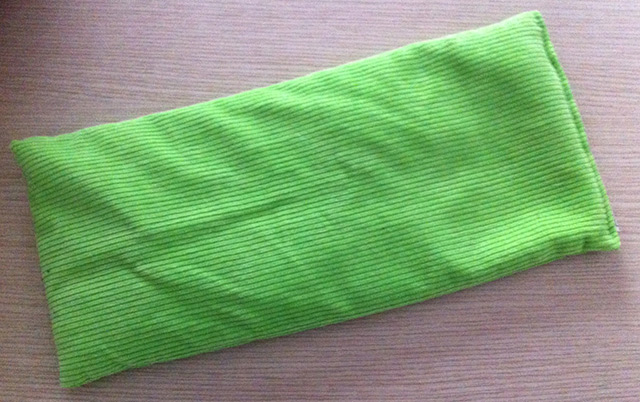
If a wheat bag is overheated, the chance of ignition is greater if the wheat bag is insulated with blankets or a quilt when being used to warm a bed. In addition, burns to the skin may occur with an overheated wheat bag, especially if it is being used on a baby, young child, or an elderly person. We recommend you follow fire safety guidelines when using wheat bags.
| DO | DON'T |
|---|---|
| Follow the manufacturer's instructions. | Do not overheat wheat bags. |
| Use wheat bags only as a heat pack for direct application to the body. | Do not use them as bed warmers. |
| Use wheat bags with extreme caution with the elderly. There's a risk of scalding frail and fragile elderly skin. | Do not use wheat bags in bed. There's a chance you could fall asleep while they are in use. |
| Be mindful of people with sensitive skin conditions. | Do not use wheat bags with babies or young children due to the risk of burns. |
| Watch for these signs of overuse: an overcooked odour, burning smell, smoking and/or charring. Discard the wheat bag after cooling if you observe any of these signs. | Do not reheat until the wheat bag has completely cooled. Reheating before the bag has cooled can be just as dangerous as overheating. |
| Leave wheat bags to cool on a non-combustible surface such as a kitchen sink. | Do not put wheat bags in storage until they are cold. |